Montenegro Travel Guide: Experiencing Montenegro in 2026, Not Just Visiting
TL;DR: This Montenegro travel guide is not a checklist. It’s a practical overview of how Montenegro actually feels on the ground, where to go, when to go, and what most visitors miss. It covers everything you need to know before visiting one of Europe’s most underrated destinations. From the dramatic Bay of Kotor and Adriatic coastline to Durmitor’s alpine peaks, Biogradska Gora’s primeval forest, and cultural hubs like Cetinje and Kotor, Montenegro delivers a huge variety in a small space.
Whether you’re chasing outdoor adventure, history, photography, or relaxed coastal days, Montenegro offers unforgettable experiences year-round at a better value than most neighboring countries.
Table of Contents
- Why Visit Montenegro
- What Makes Montenegro Different
- Best Time to Visit Montenegro
- Montenegro by Region
- Outdoor Adventures Worth Your Time
- What Most People Get Wrong
- FAQ
- Conclusion
Why Visit Montenegro in Montenegro?
Montenegro rewards travelers who like contrast.
I’ve seen guests swim in the Bay of Kotor before breakfast and hike alpine trails the same afternoon. That’s normal here.
What makes Montenegro worth your time
- Geographic variety in a compact country
- Strong identity shaped by Roman, Venetian, Ottoman, and Slavic history
- Less mass tourism than neighboring countries
- Good value compared to Croatia or Italy
Montenegro doesn’t feel curated. It feels real.
What Makes Traveling in Montenegro Different?
Landscapes Change Fast
About 80% of Montenegro is mountainous. Coastlines rise sharply into cliffs. Valleys cut deep. Lakes appear where you don’t expect them.
History Is Lived, Not Displayed
Old towns like Kotor and Budva aren’t museum zones. People live there. Laundry hangs between stone walls. Cafés fill medieval squares.
Culture Is Local First
Montenegro is proud, quiet, and direct. Hospitality is warm, but not staged.
Best Time to Visit Montenegro
Montenegro works year-round, but timing matters.
Spring (April–May)
- Mild temperatures
- Ideal for hiking and city walks
- Fewer crowds
- Day Trips
Best for: Lovćen, Durmitor lower trails – lake hikes, Cetinje.
Summer (June–August)
- Peak season on the coast
- Warm sea, long days
- Crowded hotspots
- Perfect for full-day trips
Best for: Beaches, day trips and tours, islands.
Autumn (September–October)
- Warm sea, cooler air
- Fewer tourists
- Excellent light
In my experience, September is the sweet spot.
Winter (November–March)
- Quiet coast
- Snow in the north
Best for: Skiing in Žabljak and Kolašin
Montenegro Travel Guide by Regions
Southern Montenegro: Coast, Old Towns, and Beaches
Kotor
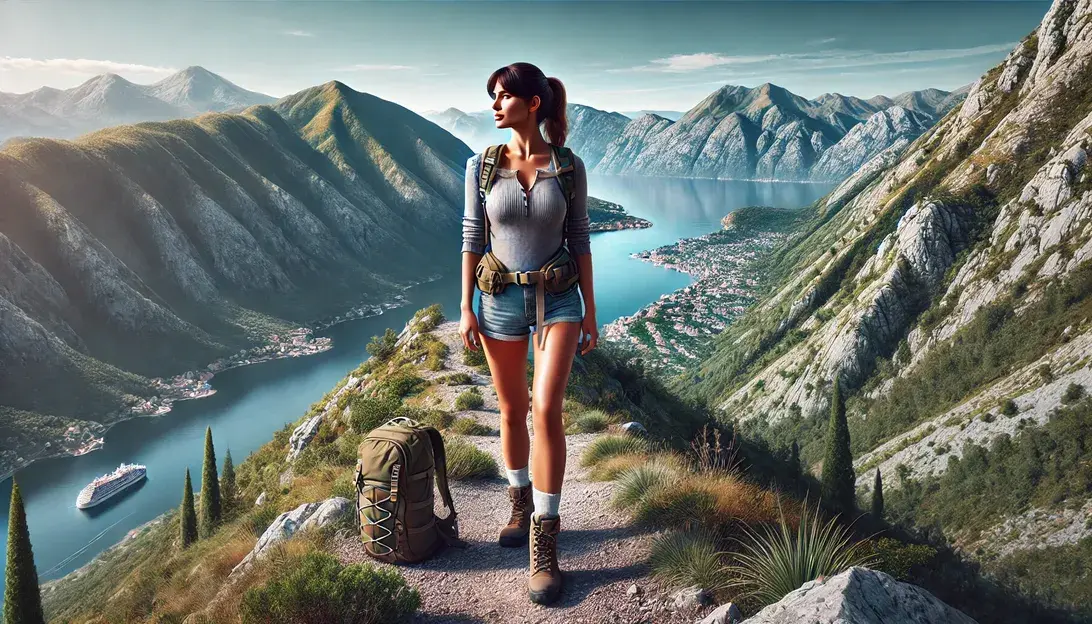
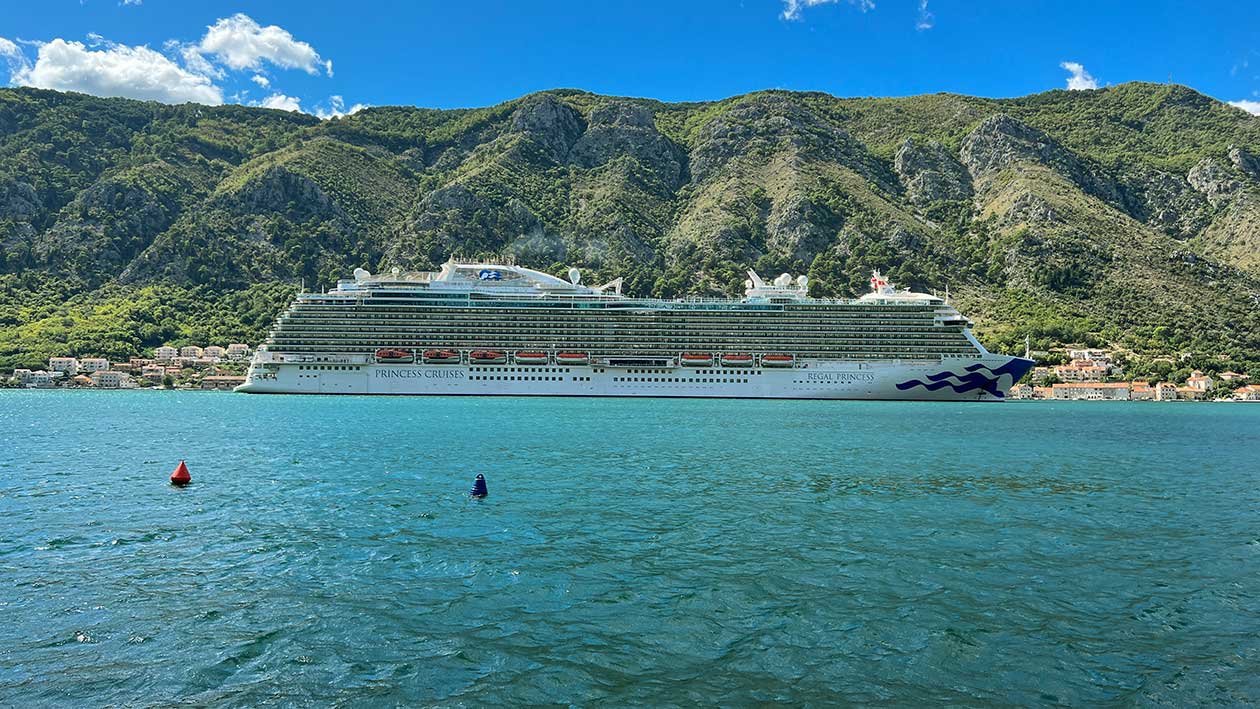
UNESCO-listed. Stone walls. Narrow streets. A bay that looks unreal from above.
Tip: Go early or late. Midday crowds flatten the experience.
Budva & Sveti Stefan
Budva mixes beaches, nightlife, and history. The Old Town is compact and easy to explore.
Sveti Stefan is iconic. Best viewed from above, not the beach.
Bar
A working port with depth.
Visit Old Bar (Stari Bar) for ruins swallowed by nature. It’s quieter and more atmospheric than coastal towns.
Ulcinj
Ottoman influence. Long sandy beaches.
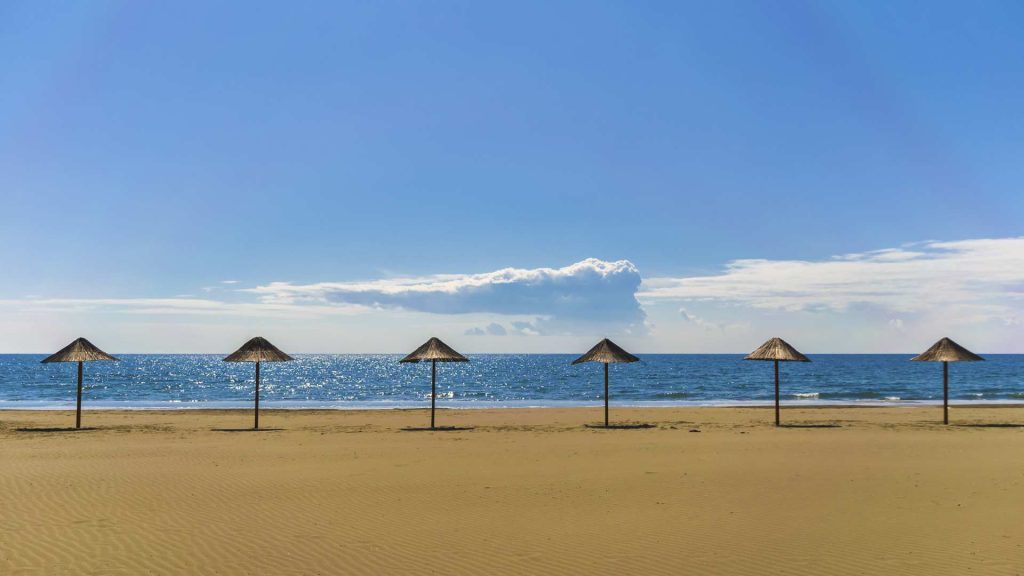
Velika Plaža stretches over 12 km. Wind, space, freedom.
Central Montenegro Travel Guide: Culture and Viewpoints
Cetinje
The old royal capital. Museums, monasteries, and national identity.
This is where Montenegro’s story comes together.
Lovćen National Park
Mountain roads. Sharp views.
Climb to Njegoš Mausoleum for one of the most dramatic viewpoints in the country.
Lake Skadar
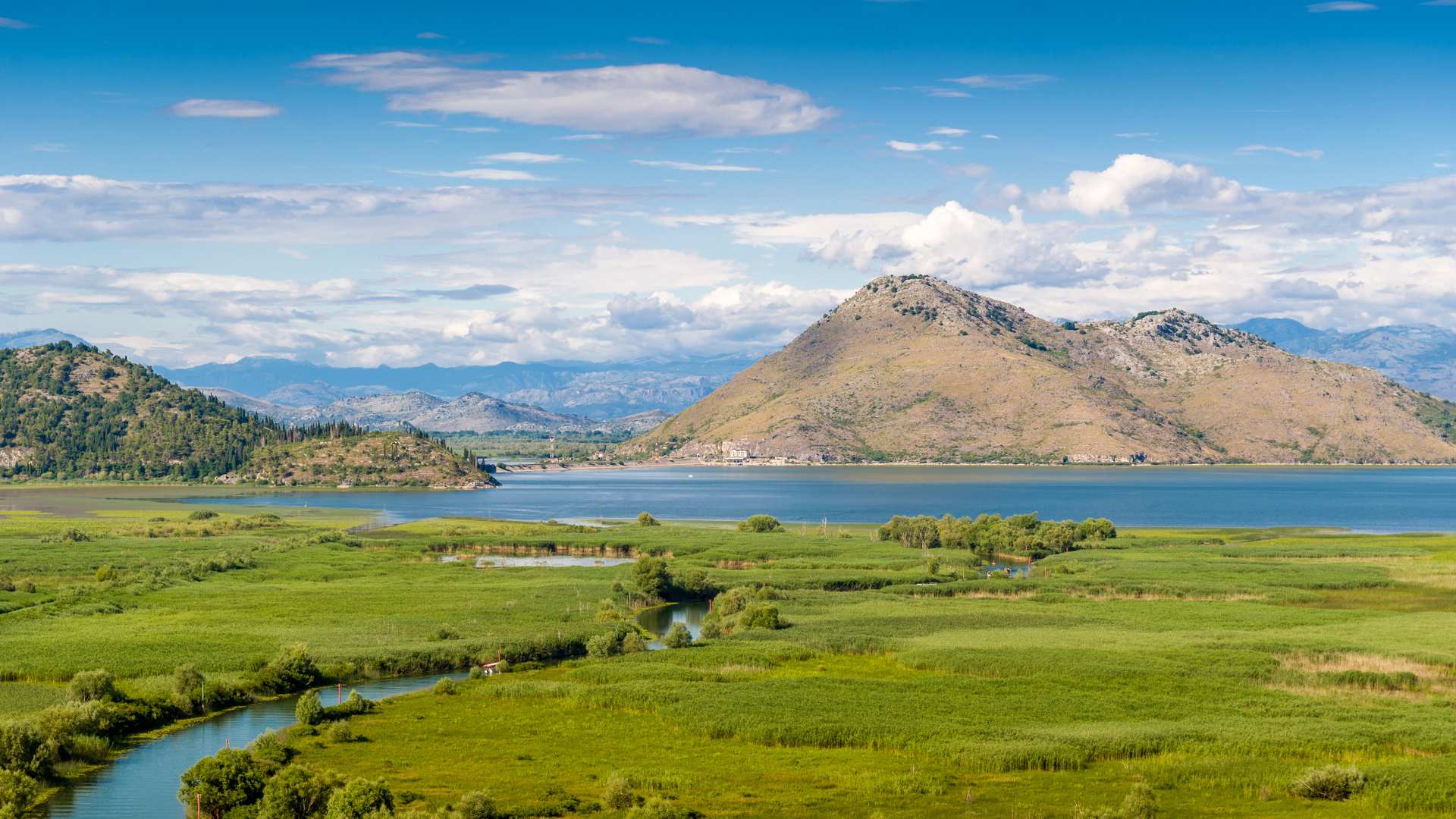
The largest lake in the Balkans.
Birdlife, water lilies, wooden boats. Best at sunrise.
Northern Montenegro: A Quick Guide to Wilderness and Scale
Durmitor National Park
UNESCO-listed. Peaks, lakes, forests.
Highlights include:
- Black Lake
- Prutaš Peak
- Bobotov Kuk
- Tara River Canyon
This is Montenegro at full scale.
Tara River Canyon
One of Europe’s deepest canyons.
Rafting is popular, but even viewpoints alone are worth the drive.
Kolašin & Žabljak
Mountain bases for hiking and skiing.
Žabljak feels raw. Kolašin feels softer and greener.
Prokletije National Park
Remote. Sharp peaks. Minimal infrastructure.
For experienced hikers who want space.
Outdoor Adventures Worth Your Time
- Hiking in Durmitor National Park
- Tara River rafting
- Canyon Nevidio (advanced, guided only)
- Lake Skadar boat trips
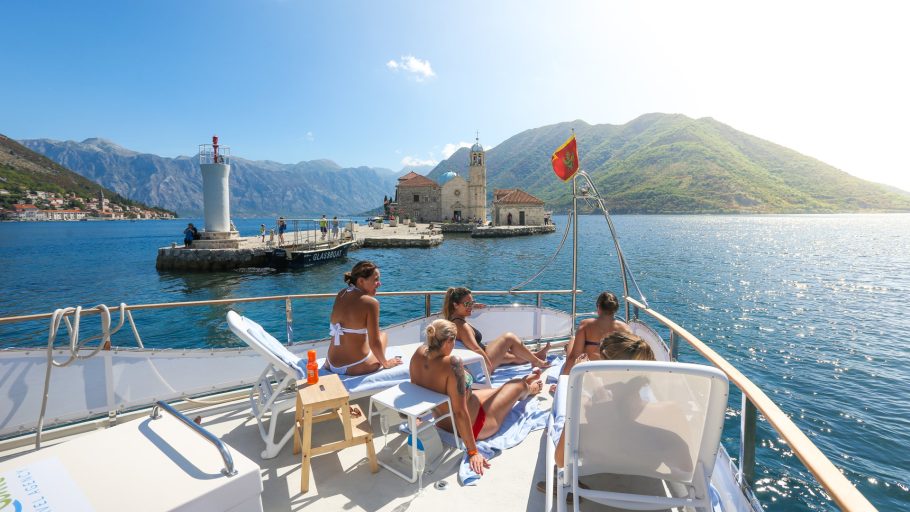
- Coastal kayaking and boat tours
A guest once asked me if Montenegro was “more nature or more culture.”
The answer is: you don’t have to choose.
What Most People Get Wrong
- Trying to see everything in one trip
- Staying only on the coast
- Visiting Kotor only at midday
- Ignoring weather changes in the mountains
Montenegro works best when you slow down and leave space.
FAQ
Is Montenegro expensive?
Montenegro is generally affordable. Coastal areas cost more in summer.
Is Montenegro safe?
Yes. Very safe for solo travelers and families.
Do I need a car?
It helps, especially for the north. Tours work well, too.
How many days do I need?
7-10 days for a balanced trip.
Is English widely spoken in Montenegro?
Yes, English is widely spoken in Montenegro and increasingly so. Especially in tourism areas.
Conclusion
Montenegro doesn’t shout. It invites.
If you want variety, honesty, and landscapes that change by the hour, this country delivers. Mountains, coast, culture, and space – all within reach.
This Montenegro travel guide exists to help you experience the country, not rush through it.