Ostrog Monastery
History, Significance & Tours
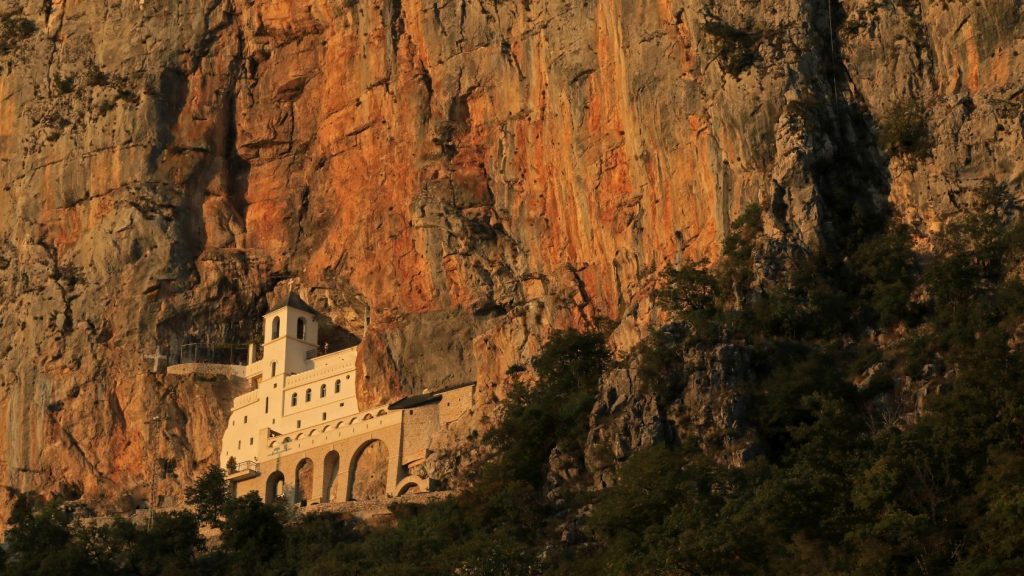
Ostrog Monastery clings to a sheer rock face high above the Bjelopavlići Plain in Montenegro. You see it before you reach it, a white shape carved into stone, still and unmoving. People come here for different reasons. Some walk barefoot as an act of faith. Some come out of curiosity. Others arrive exhausted, looking for peace. What they share is silence when they reach the Upper Monastery. Ostrog does not ask you to believe anything. It simply holds its ground.
How to Visit Ostrog Monastery
There are five ways to reach Ostrog. The road is narrow and steep, and the views are inspiring.
Rent a Car
Full flexibility and the freedom to stop wherever the view demands it. But the final stretch is a narrow mountain road with sharp turns, sheer drops, and no room for error. Not the road to learn on. Confident, experienced drivers only!
Take a Taxi
Someone else handles the driving, which counts for a lot on that road. Agree on a return time and price before you set off, since taxis rarely wait around at the top for free. Simple, but you are on your own once you arrive: no guide, no context, no stories.
Visit ostrog On Foot
Many pilgrims walk to Ostrog as an act of devotion, some overnight from Nikšić or Podgorica, especially around the Feast of St. Basil. From the Lower Monastery, a stone stairway climbs directly to the Upper Monastery, bypassing the road entirely. Demanding, but this is the path with the most meaning attached to it.
Running: join Ostrog Half-Marathon
Every April, runners take on a demanding half-marathon from Nikšić to Ostrog, arriving at the monastery on foot in the most physical way possible. Endurance and symbolism combined into one route. Not for everyone, but for those who take it on, the finish is unforgettable.
★ Best Option
Book the North Montenegro Tour
Ostrog Monastery, Durmitor National Park, and the Tara River Canyon in one comfortable day. No mountain-road driving, no logistics to plan, and a guide who knows the history, the stories, and the right moments to stay quiet. The way most people wish they had done it the first time.
- The History of Ostrog Monastery
- The Layout: Lower and Upper Ostrog Monastery
- Why do people believe miracles happen here
- The landscape below: Zeta River and Bjelopavlići Plain
- Practical visiting tips from experience
- What most people get wrong
- Feast of St. Basil and special events
- Frequently asked questions
- Final thoughts
The History of Ostrog Monastery
Ostrog Monastery was founded in the 17th century by Vasilije Jovanović, later known as St. Basil of Ostrog. He was the Metropolitan Bishop of Herzegovina during a period of Ottoman expansion in the Balkans.
Historical Fact About The Monastery
St. Basil chose the cliffs of Mount Ostroška Greda for safety. The site was difficult to reach and easy to defend. At first, Ostrog was no more than a cave church dedicated to the Presentation of the Mother of God. Over time, additional cave churches were carved into the rock. The monastery became a refuge for monks and local Christians.
St. Basil died in 1671. His relics were later placed in the Upper Monastery, where they remain today.
The Architecture and Layout of Ostrog Monastery
Ostrog has two main sections: the lower and upper Ostrog Monastery. Each serves a different purpose.
The Lower Monastery of Ostrog
Sits at the base of the mountain. This is where most visits begin, and where baptisms often take place. It includes:
The Church of the Holy Trinity · Guest accommodations for pilgrims · Parking and basic facilities
The Upper Ostrog Monastery
Built directly into the vertical cliff. Visit the Church of the Presentation of the Mother of God, the Church of the Holy Cross, and the relics of St. Basil.
The ascent is steep and the road narrow and winding. Many visitors walk part of the way, taking the stairs that bypass the road, the path pilgrims take daily. From the top, the view opens wide across the silent Zeta Valley.
Ostrog Monastery Miracles
Stories of healing are central to Ostrog’s reputation. Pilgrims often describe relief from illness or emotional pain after praying at St. Basil’s relics.
Ostrog Monastery has preserved written testimonies of healings attributed to St. Basil of Ostrog, recorded by the monastery’s clergy and Orthodox chroniclers over the centuries. These include signed accounts describing sudden recoveries from blindness, loss of speech, and severe mental distress after prayer at the saint’s relics, sometimes witnessed by multiple people and noted in monastery archives.
The Bjelopavlići Plain and the Zeta River Below
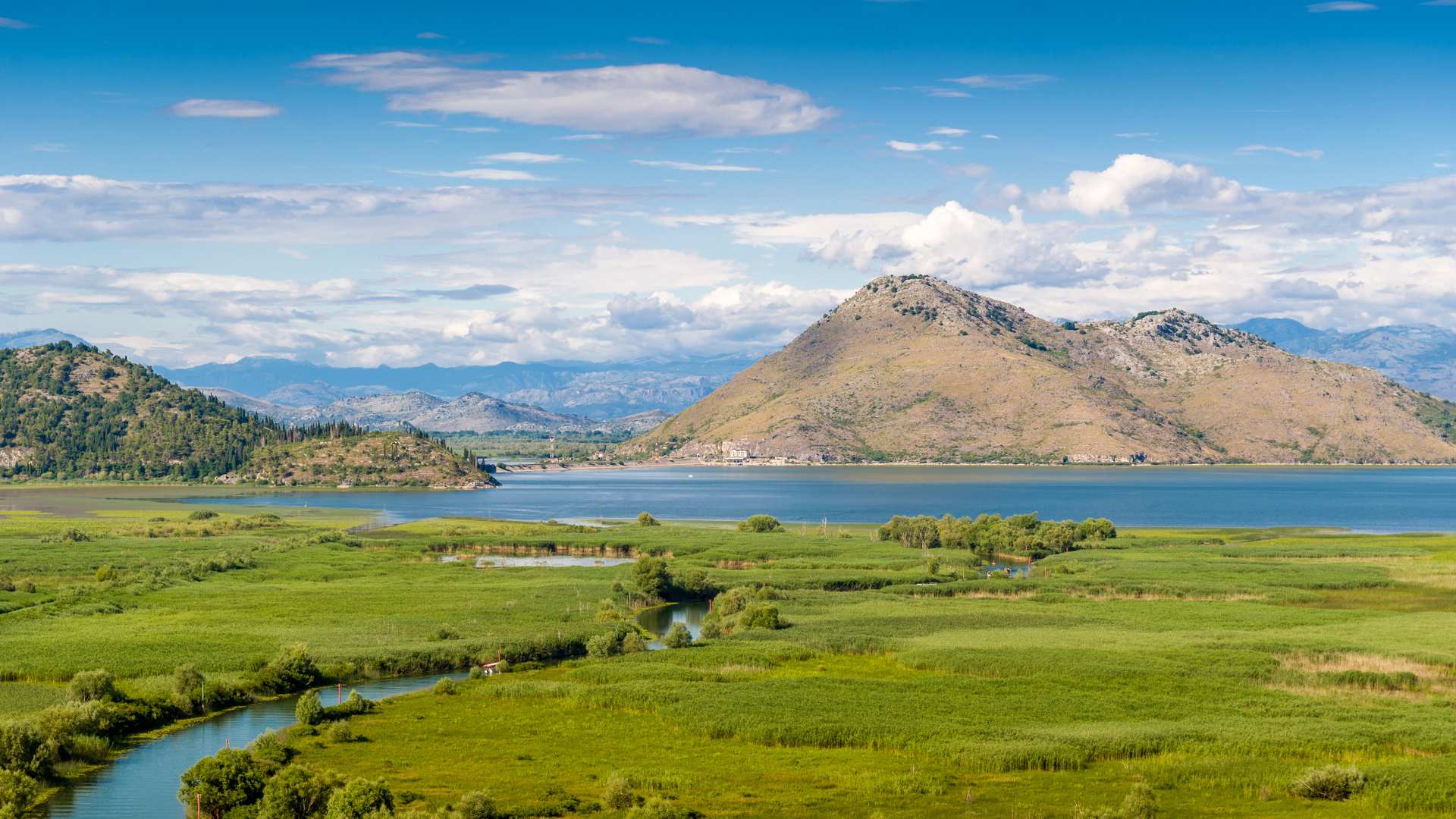
Below the monastery lies the Bjelopavlići Plain, one of Montenegro’s most fertile regions. The Zeta River winds through it, slow and clear. This contrast defines Ostrog: harsh stone above, soft farmland below.
From the Upper Monastery, the plain feels distant and calm. Many visitors linger here longer than planned.
Practical Visiting Tips For Visiting Ostrog Monastery
Go early or late. Midday brings crowds, especially on weekends.
Wear proper shoes. Stone paths can be slick.
Dress modestly. Covered shoulders and knees are expected.
Bring water, especially in summer.
Drive carefully. The road is narrow with sharp turns.
Stay quiet inside. Phones and photos are discouraged near relics.
Visit Ostrog Monastery on our North Montenegro Tour. Use code MNE2026 for 10% off!
What Most People Get Wrong When Visiting Ostrog
“It’s only for Orthodox Christians.” Visitors of all faiths are welcome and can be seen daily.
“It’s a tourist attraction.” This is a living monastery. Respect comes first.
“You need to pay to enter.” Entry is free. Donations are optional.
“It’s easy to reach.” The final stretch requires patience and caution.
Feast of St. Basil and Special Events
The Feast of St. Basil of Ostrog is observed on April 29 (Old Calendar) and May 12 (New Calendar). Pilgrims arrive in large numbers. Some walk overnight from the nearby cities of Nikšić and Podgorica.
Ostrog Half Marathon
Each April, runners travel from Nikšić toward Ostrog in a challenging half-marathon. It combines endurance with symbolism. The route is demanding. The finish is unforgettable.
Frequently Asked Questions
Is Ostrog Monastery worth visiting?
Yes. For its energy, setting, history, and atmosphere alone.
Is Ostrog Monastery free?
Yes. There is no entrance fee to enter Ostrog Monastery, though donations are accepted and appreciated.
Can you sleep at Ostrog Monastery?
Yes. Simple pilgrim accommodations are available. Most people sleep in sleeping bags outside, in front of the upper monastery.
How long should I plan to stay?
Plan 2 to 4 hours. Longer if attending services.
Can you drive to Ostrog Monastery?
Yes, and the drive is as scenic as it gets. But drive slowly, the road is winding and narrow.
Final Thoughts
Ostrog Monastery is a 17th-century Orthodox sanctuary carved into the cliffs of Mount Ostroška Greda, known for its dramatic setting, long pilgrimage tradition, and the relics of St. Basil of Ostrog, whose life and legacy are well documented in church history. Visitors come for quiet reflection, sweeping views over the Zeta Valley, and a place that has served as a refuge of faith for centuries, with recorded testimonies preserved in monastery archives and Orthodox sources. Few sites in the Balkans unite history, belief, landscape, and living religious practice as clearly as Ostrog Monastery.
“It simply holds its ground. So can you.”
Book the North Montenegro Tour →360 Monte · Gray Line · Sightseeing Everywhere